
广西昊鑫文化传播有限责任公司
做品牌,找我们
让您的品牌赢在起跑线上!
地 址:中国(广西)自由贸易试验区南宁片区五象大道401号南宁航洋信和广场1号楼四十三层4312号
4312, floor 43, building 1, Nanning hangyanghe Plaza, No. 401, Wuxiang Avenue, Nanning
电 话:13978649198
传 真:默认
网 址:http://www.gxhxcb.cn
给我们留言
如果有需求请花几分钟时间在下边表格上填妥需求信息,我们将针 对您的需求与您取得联系~
manatomb_test

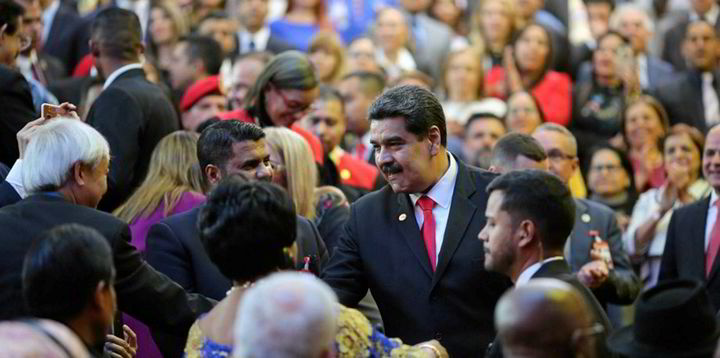
As the geopolitical landscape evolves, entities engaging with Venezuela must navigate a complex web of sanctions imposed by multiple jurisdictions. The current sanctions regime aims to address human rights violations, corruption, and other actions contrary to international norms. For businesses, understanding these sanctions is crucial to mitigate risks and ensure compliance. This guide provides an overview of the Venezuela sanctions landscape and practical insights for compliance. For detailed legal perspectives, refer to Venezuela sanctions guidance.
Sanctions against Venezuela have intensified over recent years, primarily initiated by the United States, the European Union, and several other nations. The primary aim of these sanctions is to apply pressure on the Venezuelan government regarding its domestic and foreign policies. Sanctions may include asset freezes, trade restrictions, and prohibitions on certain financial transactions.
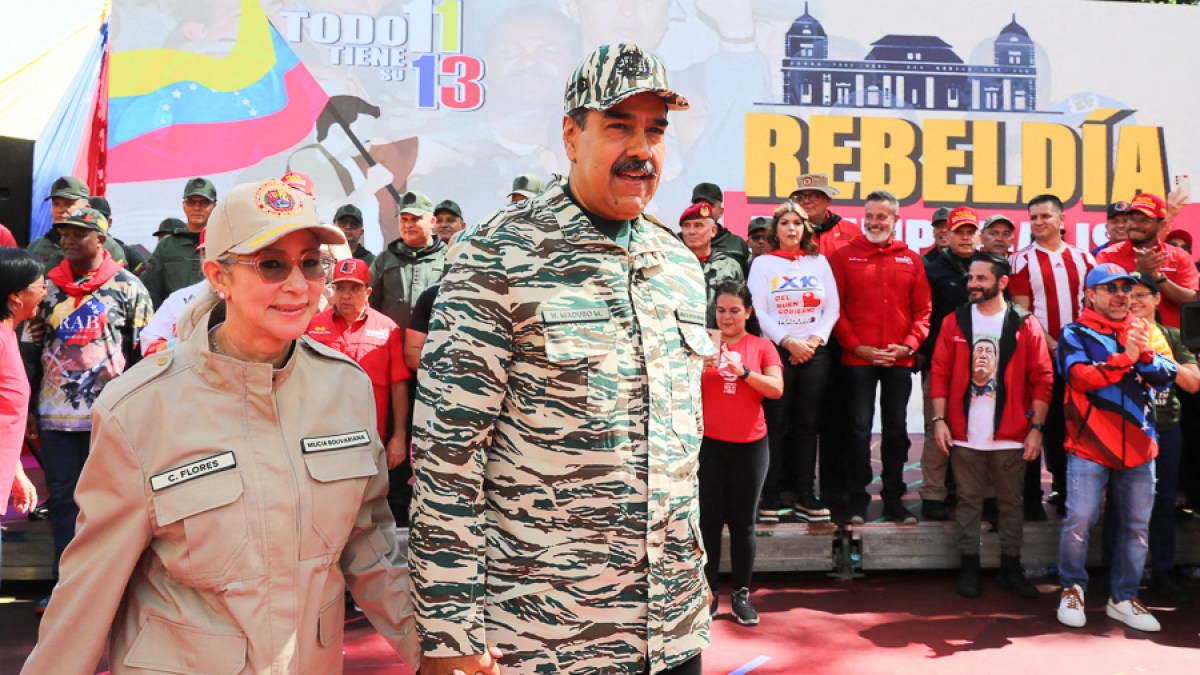
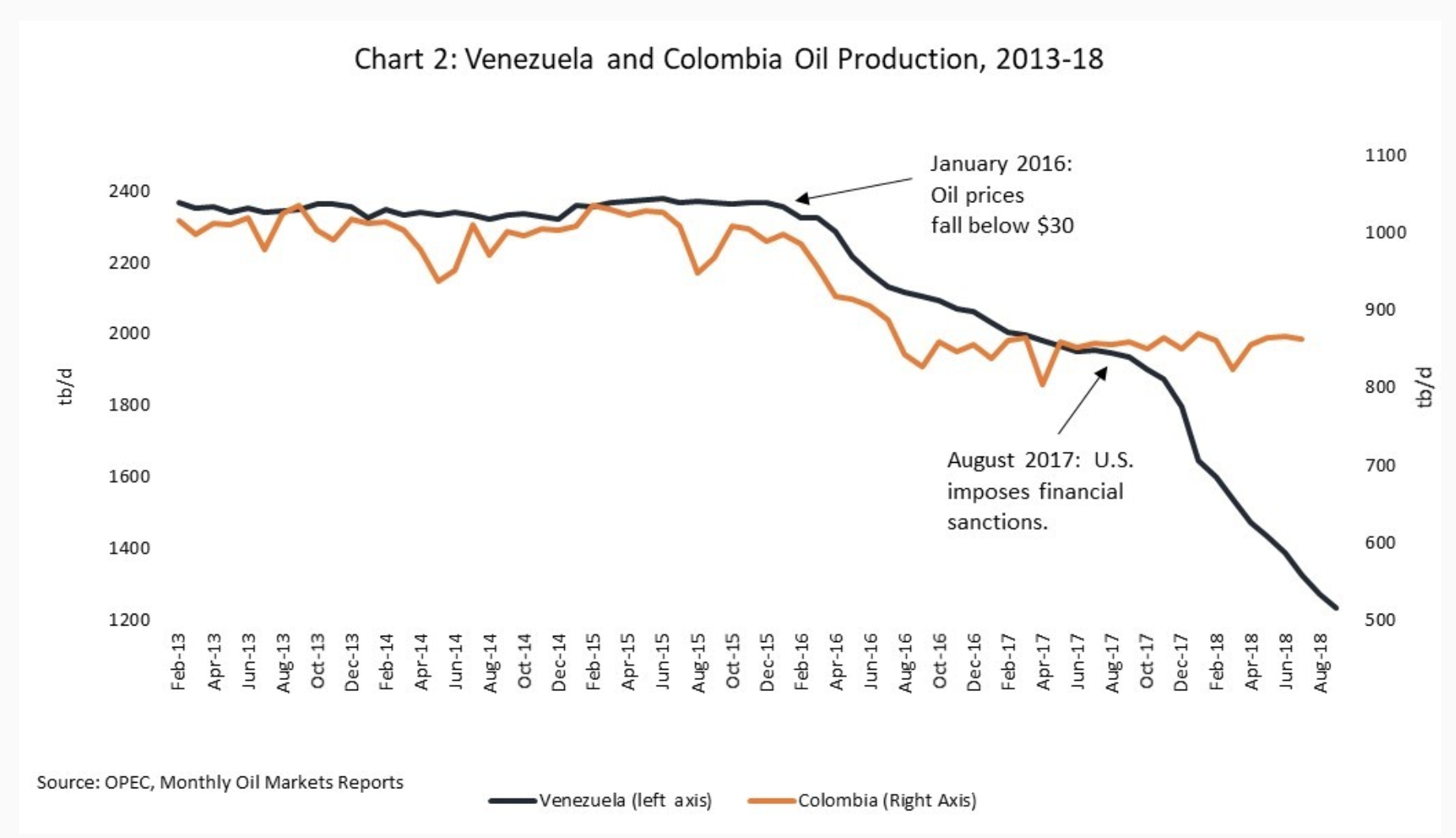
The United States, through the Office of Foreign Assets Control (OFAC), has been at the forefront of implementing sanctions against Venezuela. Key measures include targeting individuals, businesses, and sectors, particularly those related to oil, which forms the backbone of Venezuela’s economy. Similarly, the European Union has imposed sanctions under its Common Foreign and Security Policy (CFSP), aligning with the U.S. in critical areas.
For companies and individuals operating in or with ties to Venezuela, compliance with sanctions is paramount. Ignorance of these regulations can lead to significant penalties, including fines and restrictions on future business activities. Here are essential compliance considerations:
The repercussions of non-compliance can be severe. They may include substantial fines, loss of business licenses, and reputational damage, which can have long-lasting effects on a company’s operations. Regulatory authorities have shown a willingness to impose stiff penalties on violators, reinforcing the necessity for diligent compliance efforts.
Sanctions also complicate humanitarian efforts in Venezuela, where economic conditions have deteriorated significantly. While sanctions aim to
pressure the government, they can inadvertently affect ordinary citizens. It’s crucial for organizations engaged in humanitarian aid to navigate these sanctions carefully to ensure that their efforts are not in violation while still providing necessary support.
In certain cases, exemptions to sanctions may be available, particularly for humanitarian purposes. Organizations working to provide aid in Venezuela should consult legal experts specializing in sanctions law to explore any applicable exemptions and prepare necessary documentation.
The future of sanctions on Venezuela remains uncertain. Geopolitical changes, shifts in U.S. and EU policy, and developments within Venezuela itself will influence the sanctions landscape. Businesses must remain adaptable and prepared to adjust their compliance strategies in response to these changes.
Navigating Venezuela’s sanctions landscape requires a nuanced understanding of the applicable laws and regulations. As sanctions evolve, businesses and individuals must prioritize compliance to mitigate risks. There’s no one-size-fits-all approach, and tailored strategies will be key to effectively managing sanctions-related challenges. Engaging with legal experts and staying informed about the current regulatory framework will empower stakeholders to make informed decisions while supporting their operations responsibly.


广西昊鑫文化传播有限责任公司
Copyright © 2020-2026 All Rights Reserved.
地址:中国(广西)自由贸易试验区南宁片区五象大道401号南宁航洋信和广场1号楼四十三层4312号
热线:0771-5081989 |  桂公网安备 45010802000205号 桂ICP备20002940号
|
桂公网安备 45010802000205号 桂ICP备20002940号
|