

广西昊鑫文化传播有限责任公司
做品牌,找我们
让您的品牌赢在起跑线上!
地 址:中国(广西)自由贸易试验区南宁片区五象大道401号南宁航洋信和广场1号楼四十三层4312号
4312, floor 43, building 1, Nanning hangyanghe Plaza, No. 401, Wuxiang Avenue, Nanning
电 话:13978649198
传 真:默认
网 址:http://www.gxhxcb.cn
给我们留言
如果有需求请花几分钟时间在下边表格上填妥需求信息,我们将针 对您的需求与您取得联系~
manatomb_test


In the complex realm of international trade and finance, the significance of representation in OFAC matters cannot be overstated. The Office of Foreign Assets Control (OFAC), a division of the U.S. Department of the Treasury, administers and enforces economic and trade sanctions based on U.S. foreign policy and national security goals. These sanctions can have a profound impact on individuals and businesses involved in international transactions. Thus, the need for effective legal representation becomes crucial, particularly for those facing potential penalties or challenges related to OFAC regulations. Whether you’re an individual or a corporation, understanding the legal landscape surrounding OFAC matters and the representation available can be pivotal to ensuring compliance and mitigating risks. Learn more about the representation in OFAC matters and its implications for stakeholders in the compliance ecosystem.
OFAC’s primary role is to enforce economic and trade sanctions to promote U.S. foreign policy objectives and address national security concerns. These sanctions often target nations, individuals, and entities that pose a threat to the United States. OFAC’s mandates are not merely regulatory; they are also a tool for executing U.S. strategies on the global stage. By restricting financial transactions and limiting access to resources, OFAC aims to deter actions that could undermine U.S. interests. Penalties for violations can be severe, including hefty fines and criminal charges, which underscores the importance of having competent legal representation when navigating this complex regulatory framework.
Engaging legal representation is vital in OFAC matters for several reasons. First and foremost, attorneys specializing in sanctions law possess a comprehensive understanding of the nuances and intricacies of OFAC regulations. They can provide valuable guidance on compliance issues, helping clients understand their obligations under the law. Secondly, skilled legal counsel can assist in navigating potential investigations or enforcement actions initiated by OFAC. If a business or individual finds themselves facing accusations of violating sanctions, having experienced lawyers can be the difference between a favorable outcome and significant penalties.
Effective representation in OFAC matters involves proactive strategies aimed at maintaining compliance and minimizing risk. One critical strategy is conducting thorough due diligence on partners and transactions. Understanding the parties involved and their potential connections to sanctioned entities is crucial in avoiding inadvertent violations. Legal advisors can assist in implementing robust compliance programs that include training, monitoring, and periodic reviews of operations to ensure adherence to OFAC regulations.
Another strategy is the establishment of clear policies and procedures for reporting and addressing potential violations. Having a structured approach to compliance allows businesses to respond swiftly and effectively to any concerns that may arise. Legal representation can aid in drafting these internal policies and ensure they align with OFAC requirements.
When a potential violation is identified, prompt and skilled legal representation becomes essential. The process of responding to OFAC inquiries or enforcement actions can be daunting, requiring timely and accurate responses. Attorneys experienced in sanctions law can help clients prepare responses and engage constructively with OFAC. They are adept at negotiating settlements or mitigating penalties with the agency, which can significantly affect the outcome of the case.
In the unfortunate event that a violation notice is received, several defensive strategies can be employed. First, legal counsel may challenge the facts surrounding the alleged violation. A robust defense often involves demonstrating a lack of knowledge about the violation or the implementation of adequate compliance measures at the time of the purported infraction. Additionally, attorneys can advocate for leniency by illustrating that the violation was unintentional and that the client has taken steps to rectify the situation.
Furthermore, legal representation can work to ensure that clients are treated fairly throughout the proceedings. They can challenge any disproportionate sanctions or penalties, arguing that they are not in line with the severity of the violation. By working with legal experts, clients can ensure they are protected against excessive punitive measures.
Ultimately, the most effective way to address the complexities of OFAC matters is to cultivate a culture of compliance within organizations. This cultural shift requires collaboration across all levels of a business, integrating compliance into daily operations and decision-making processes. Legal counsel can play a critical role in establishing this culture, providing training sessions and resources that educate stakeholders about the importance of OFAC compliance and the implications of non-compliance.
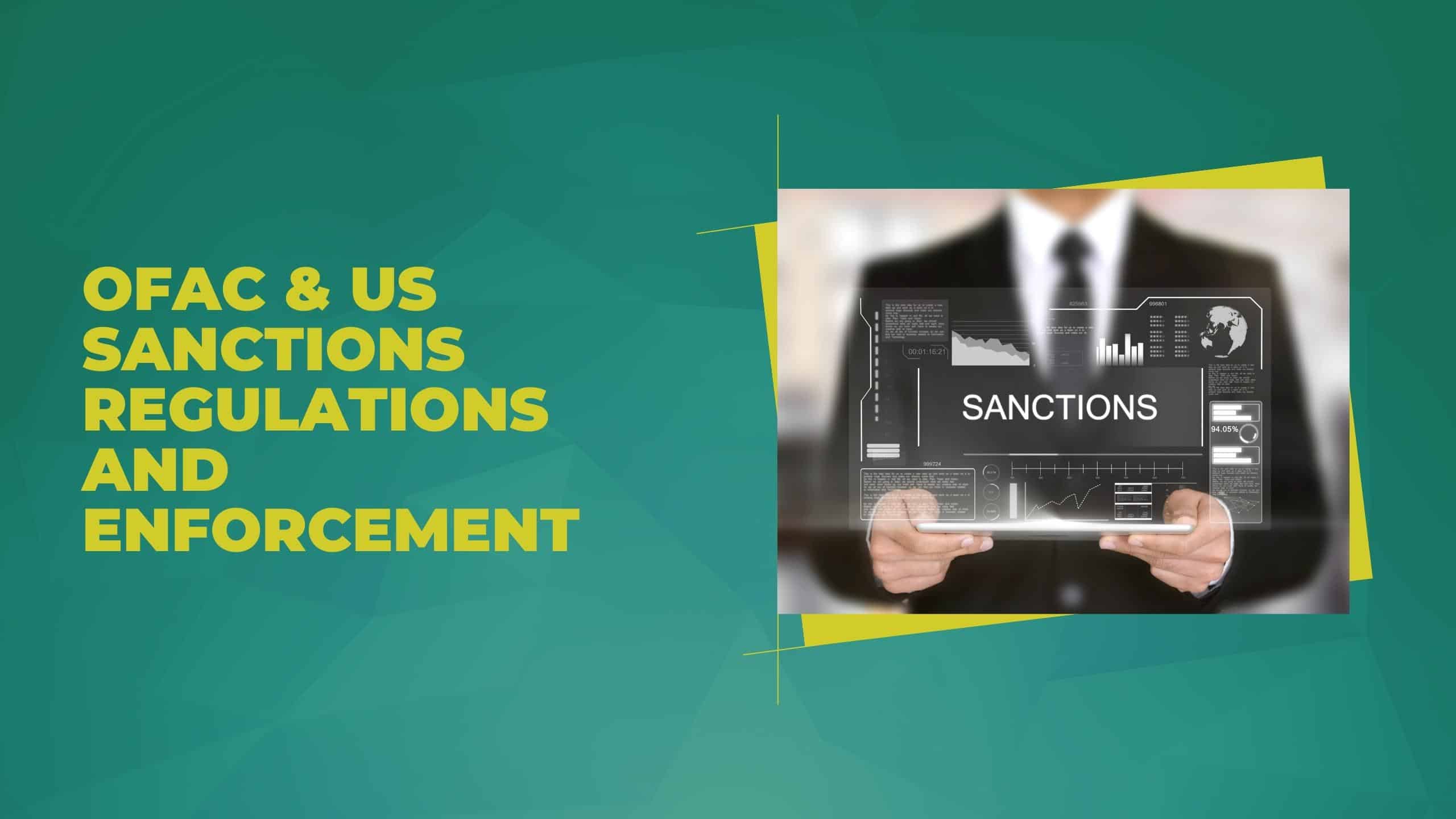
Moreover, as global trade dynamics evolve and regulatory environments become increasingly complex, maintaining a strong compliance foundation is not merely a safeguard; it is a strategic business advantage. Companies that prioritize compliance can foster trust with partners, clients, and regulatory bodies.
Representation in OFAC matters is a crucial component of risk management for individuals and businesses engaged in international trade. Navigating the complexities of sanctions law requires a deep understanding of regulatory nuances, strategic compliance measures, and effective defensive tactics. Skilled legal representation can significantly mitigate risks and safeguard against potential penalties in the face of OFAC regulations. The focus should be on building a proactive compliance culture that emphasizes education, training, and constant vigilance. By doing so, stakeholders can ensure they are equipped to face the challenges of a globalized marketplace while adhering to U.S. economic and trade sanctions.


广西昊鑫文化传播有限责任公司
Copyright © 2020-2026 All Rights Reserved.
地址:中国(广西)自由贸易试验区南宁片区五象大道401号南宁航洋信和广场1号楼四十三层4312号
热线:0771-5081989 |  桂公网安备 45010802000205号 桂ICP备20002940号
|
桂公网安备 45010802000205号 桂ICP备20002940号
|