

广西昊鑫文化传播有限责任公司
做品牌,找我们
让您的品牌赢在起跑线上!
地 址:中国(广西)自由贸易试验区南宁片区五象大道401号南宁航洋信和广场1号楼四十三层4312号
4312, floor 43, building 1, Nanning hangyanghe Plaza, No. 401, Wuxiang Avenue, Nanning
电 话:13978649198
传 真:默认
网 址:http://www.gxhxcb.cn
给我们留言
如果有需求请花几分钟时间在下边表格上填妥需求信息,我们将针 对您的需求与您取得联系~
manatomb_test

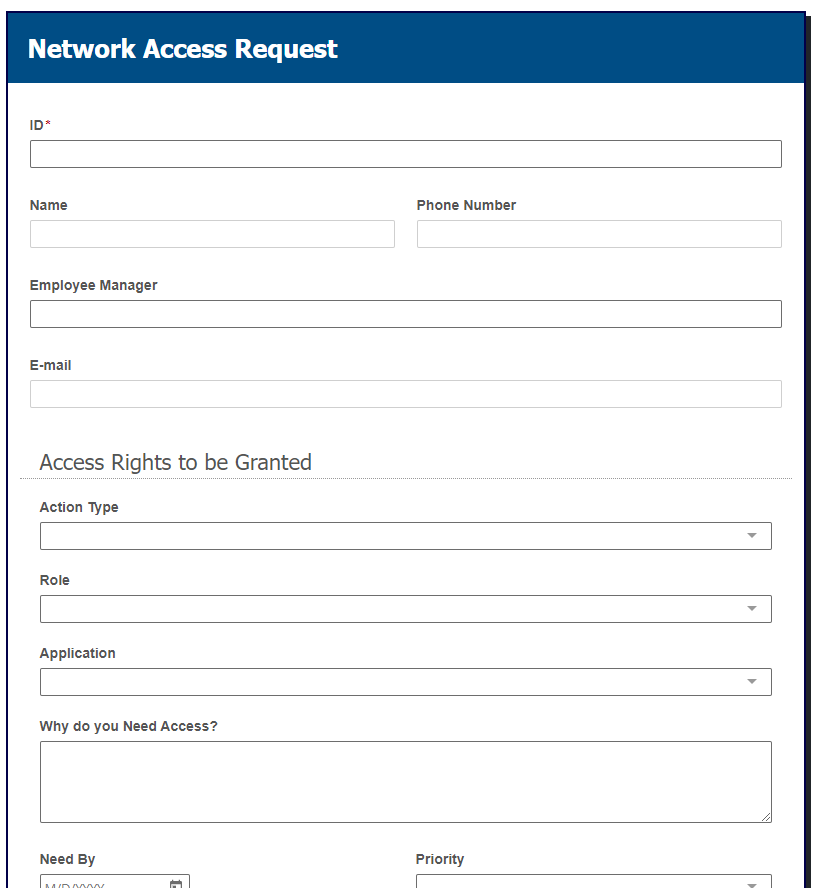
In today’s information-driven society, the request for access to certain files and data is becoming increasingly important. Whether you are a citizen seeking information from government bodies, a researcher looking for specific data, or a business requiring access to industry-specific information, understanding how to effectively make a request is essential. This article delves into the details of what a request for access entails and offers a clear guideline on navigating this often-complex process.
A request for access can be defined as a formal or informal application to obtain information or data that is held by a public body or private organization. This request can pertain to a variety of files, including governmental records, financial documents, personal data, or specific databases that may be restricted from public view. The ability to request access is largely rooted in the principles of transparency and accountability, allowing individuals and entities to hold organizations accountable and gain insights into processes that may affect them.
In many countries, there are laws in place designed to ensure transparency and to promote the public’s right to access information. For instance, the Freedom of Information Act (FOIA) in the United States allows citizens to request access to records from any federal agency. Similar laws exist in various jurisdictions worldwide, providing the framework within which requests for access can be made. These laws outline the types of documents that can be requested, the process for making a request, and the obligations of the entity holding the information. Understanding the legal framework relevant to your request is the first step in successfully navigating the process.

Requests for access can generally be classified into two main categories:
The process of making a request for access can vary significantly depending on the jurisdiction and the type of information requested. However, the following steps provide a general guideline:
Despite efforts to ensure transparency, individuals may encounter several challenges when attempting to gain access to records. Some common issues include:
In the event that your request for access is denied, it is essential to know that you have options. First, review the reasons provided for the denial. If you believe the denial was unwarranted, you often have the right to appeal the decision. This process can involve submitting a formal appeal to a higher authority within the organization. Additionally, you may seek support from advocacy groups that specialize in information access issues, as they can provide guidance and assistance in navigating the appeals process.

As a citizen or stakeholder, staying informed about your rights to access information is vital. Keeping abreast of changes to relevant laws, participating in public consultations, and engaging with local advocacy organizations can empower you to better leverage your right to access information. Understanding the importance of transparency and accountability allows individuals to play a more active role in their communities and governance processes.
The request for access is a fundamental aspect of a democratic society, promoting transparency and accountability across various institutions. By understanding the process, legal framework, and potential challenges, individuals can effectively navigate the landscape of information access. Armed with knowledge, you can leverage your right to seek information, thereby contributing to a more informed and engaged citizenry.


广西昊鑫文化传播有限责任公司
Copyright © 2020-2026 All Rights Reserved.
地址:中国(广西)自由贸易试验区南宁片区五象大道401号南宁航洋信和广场1号楼四十三层4312号
热线:0771-5081989 |  桂公网安备 45010802000205号 桂ICP备20002940号
|
桂公网安备 45010802000205号 桂ICP备20002940号
|