
广西昊鑫文化传播有限责任公司
做品牌,找我们
让您的品牌赢在起跑线上!
地 址:中国(广西)自由贸易试验区南宁片区五象大道401号南宁航洋信和广场1号楼四十三层4312号
4312, floor 43, building 1, Nanning hangyanghe Plaza, No. 401, Wuxiang Avenue, Nanning
电 话:13978649198
传 真:默认
网 址:http://www.gxhxcb.cn
给我们留言
如果有需求请花几分钟时间在下边表格上填妥需求信息,我们将针 对您的需求与您取得联系~
manatomb_test


In today’s global economy, understanding the regulations that govern international trade is crucial for businesses operating in multiple jurisdictions. One of the key regulatory bodies in the United States is the Office of Foreign Assets Control (OFAC), which administers and enforces economic and trade sanctions against targeted foreign countries and regimes, terrorists, international narcotics traffickers, and other threats to national security. This article delves into the OFAC license, its requirements, application process, and the implications of non-compliance. For detailed information on the OFAC license process, you can refer to OFAC license https://combatcleaningservicesca.com/pages/ofac-license-requirements-and-process.html.
An OFAC license is a government-issued authorization that allows U.S. individuals and entities to engage in transactions that are otherwise restricted under U.S. sanctions laws. These licenses are essential for companies aiming to conduct business with countries or individuals that are under sanctions. The licenses can be categorized into two types: general licenses, which allow for certain types of transactions without the need for specific approval, and specific licenses, which are issued for individual transactions.
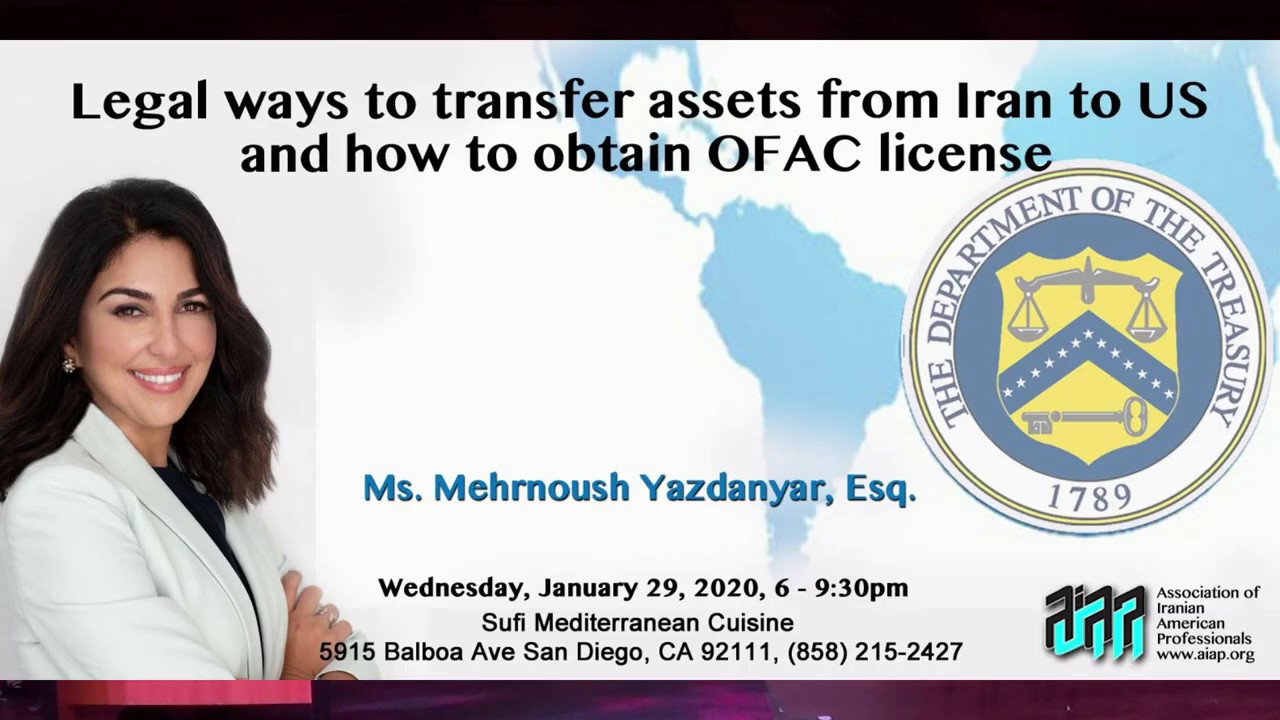
Operating without proper OFAC licenses can lead to severe penalties, including hefty fines, legal repercussions, and damage to reputation. Companies must ensure compliance with OFAC regulations to avoid the significant risks associated with unauthorized transactions. Moreover, obtaining an OFAC license can open up avenues for legitimate business endeavors that might have otherwise been considered illegal.
Any U.S. person or entity wishing to engage in transactions with sanctioned individuals or countries may need to obtain an OFAC license. This encompasses a wide range of businesses, including financial institutions, import/export companies, and individual entrepreneurs. Businesses that are part of multinational operations must also be vigilant, as compliance is required even if activities take place outside the U.S.
The requirements for obtaining an OFAC license vary depending on the specific licenses being requested. Generally, applicants must provide comprehensive information regarding the intended transaction, including:
Applying for an OFAC license involves several key steps:
The processing time for OFAC license applications can vary widely. While some applications may be processed within weeks, others could take several months or longer, depending on the complexity of the request and the current workload of OFAC. It is advisable to plan accordingly and apply for licenses well in advance of any planned transactions.
Engaging in business activities with sanctioned entities without the appropriate OFAC license can result in severe ramifications. Penalties can range from civil fines to criminal charges, depending on the severity of the violation. Additionally, businesses may face reputational damage, loss of customer trust, and disruption of operations.
Understanding and navigating the OFAC licensing process is crucial for any U.S. business involved in international trade. Obtaining the proper licenses not only ensures compliance with U.S. regulations but also protects businesses from potential legal and financial repercussions. As global markets continue to evolve, keeping up-to-date with OFAC regulations and understanding when a license is required will be essential for successful international operations.
Staying informed about changes in sanctions and the intricacies of OFAC licensing can provide businesses with a competitive edge and lead to successful international partnerships. Proper licensing can open up new markets and opportunities while mitigating risks associated with non-compliance.


广西昊鑫文化传播有限责任公司
Copyright © 2020-2026 All Rights Reserved.
地址:中国(广西)自由贸易试验区南宁片区五象大道401号南宁航洋信和广场1号楼四十三层4312号
热线:0771-5081989 |  桂公网安备 45010802000205号 桂ICP备20002940号
|
桂公网安备 45010802000205号 桂ICP备20002940号
|