
广西昊鑫文化传播有限责任公司
做品牌,找我们
让您的品牌赢在起跑线上!
地 址:中国(广西)自由贸易试验区南宁片区五象大道401号南宁航洋信和广场1号楼四十三层4312号
4312, floor 43, building 1, Nanning hangyanghe Plaza, No. 401, Wuxiang Avenue, Nanning
电 话:13978649198
传 真:默认
网 址:http://www.gxhxcb.cn
给我们留言
如果有需求请花几分钟时间在下边表格上填妥需求信息,我们将针 对您的需求与您取得联系~
manatomb_test

In an increasingly globalized world, businesses often find themselves navigating complex regulations surrounding sanctions and export control guidance https://boyucapital.com/wp-includes/pages/sanctions-and-export-control-guidance-for-global-operations.html. These regulations are critical for ensuring compliance and maintaining a good standing in international markets, where the stakes can be incredibly high. Understanding the nuances of these regulations is not just beneficial but necessary for any company that engages in cross-border transactions.

Sanctions are restrictive measures imposed by governments or international bodies against certain countries, entities, or individuals. The purpose of sanctions is often to achieve political, economic, or security objectives. These measures can take the form of trade bans, asset freezes, or restrictions on financial transactions. For businesses, navigating the landscape of sanctions is essential in order to avoid severe penalties that can affect not only legal standing but also financial health.
Sanctions typically fall into several categories:
Export control refers to laws and regulations that restrict the export of certain goods, technologies, and services for reasons related to national security, foreign policy, and economic protection. Countries implement export controls to prevent the proliferation of weapons, protect sensitive technologies, and enforce international trade agreements.
Understanding the fundamentals of export control is crucial for companies operating in industries like defense, aerospace, and technology. Key components include:

Different countries have different frameworks governing sanctions and export controls. For example, the United States enforces the Office of Foreign Assets Control (OFAC) regulations, while the European Union has its own set of regulations that may differ significantly. Understanding these frameworks is crucial for multinational businesses that operate across borders.
Nations cooperate to enforce sanctions and export controls, often through shared intelligence and cross-border investigations. Organizations such as the United Nations and the World Trade Organization provide platforms for dialogue. Companies should be cognizant of the international landscape and consider potential implications for operations.
Non-compliance with sanctions and export control regulations can result in severe penalties, including hefty fines, loss of license to operate, and damage to reputation. In some cases, individuals can face criminal charges. Thus, it is essential for businesses to invest in compliance programs and maintain up-to-date knowledge of regulations.
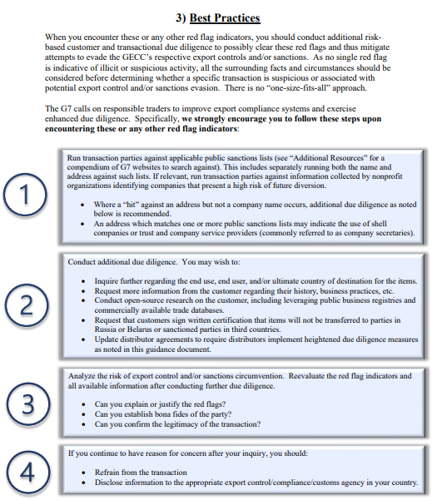
Compliance with sanctions and export controls requires commitment from all levels of an organization. Here are some best practices businesses can implement:
In conclusion, navigating sanctions and export control guidance is essential for businesses engaged in global operations. Not only do these regulations serve to protect national interests, but they also ensure fair trade practices in international markets. By establishing strong compliance programs and remaining informed about regulatory changes, companies can mitigate risks and maintain a competitive edge in today’s global economy.


广西昊鑫文化传播有限责任公司
Copyright © 2020-2026 All Rights Reserved.
地址:中国(广西)自由贸易试验区南宁片区五象大道401号南宁航洋信和广场1号楼四十三层4312号
热线:0771-5081989 |  桂公网安备 45010802000205号 桂ICP备20002940号
|
桂公网安备 45010802000205号 桂ICP备20002940号
|